+256-772-469-751
FAQs
Tracking Orders
  • enEnglish
    • enEnglish
    • arArabic
  • USD
    • USD
    • EUR
  • Hello, Sign in Login / Register
  • Home
  • About Us
  • Product Development
  • Our Team
  • Contact Us
  • Blog
deals
  • Home
  • Blog
  • Artisanal Sector Highlighted as Untapped Goldmine for Impact Investing at SOCAP 2024

Categories

  • Blog (31)
  • Marsonry (1)

Latest Blogs

June 22, 2022

Tooro Kingdom awards Mr. Stephen Rwagweri for promotion and safeguarding heritage

June 22, 2022

Social Innovator Rwagweri Bags Prestigious international Award

August 18, 2022

Global Eco-Artisan Award and Conference 2022

September 26, 2022

African Continental Crafts Ltd CEO arrives in Dominican Republic for the global meeting of innovators

Tags

Africa African Continental Crafts and Cambridge Arab world artisan sector across Africa Audrey Selian Blog Bolaji Akinboro Brandice Daniel business skills CNN Culture Summit design innovations digital skills and infrastructure Dominican Republic feedback Fort Portal Global Fund for Women global summit Harvard India industry invest livelihood Lubna Dajani Masters of Scale Summit Muna Shikaki Oxford Rwagweri SOCAP SOCAP24 SOCAP conference social impact social innovation stakeholders Traditional Artisan Inclusion model Tórónet Uganda Ugandan Ugandan innovator Ugandan innovator Stephen Rwagweri UNESCO UNESCO Global UNESCO ICH Global Facilitator workshop

Artisanal Sector Highlighted as Untapped Goldmine for Impact Investing at SOCAP 2024

on October 26, 2024 Posted by: christopher Blog 0

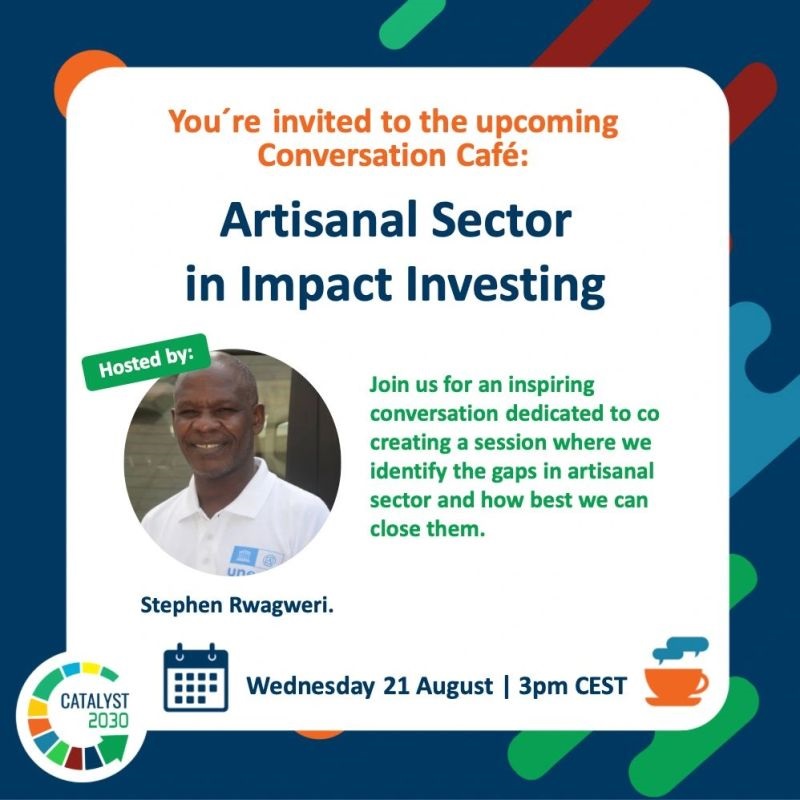
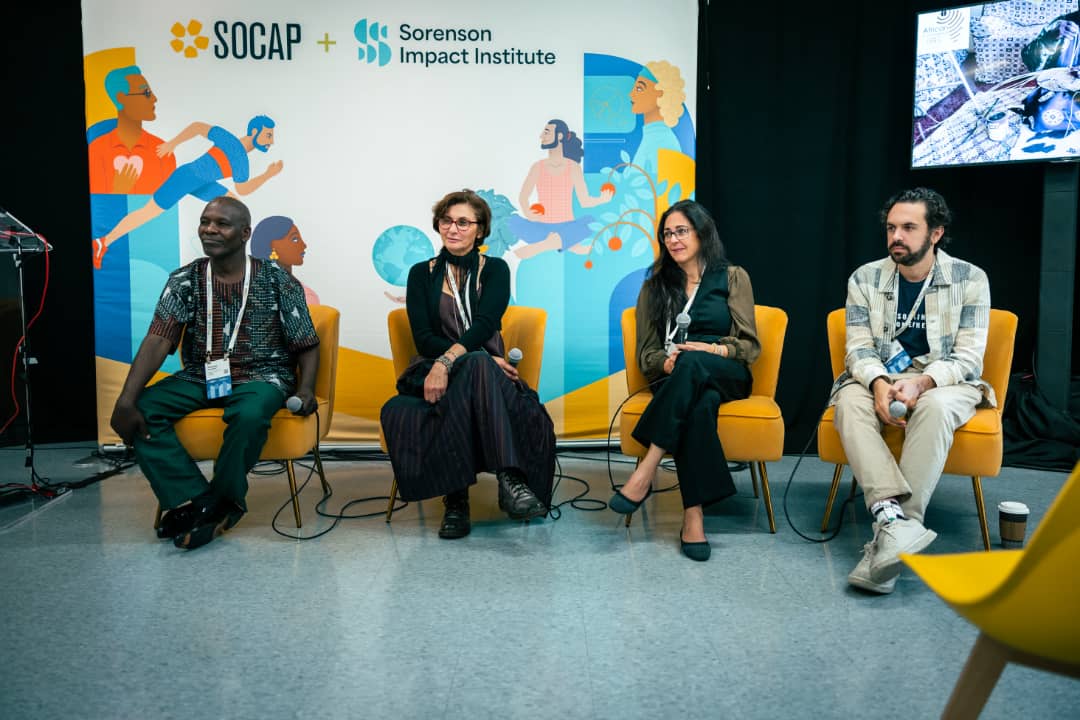
San Francisco, October 30, 2024 — In a thought-provoking session at SOCAP 2024, Stephen Rwagweri, founder of African Continental Crafts, spotlighted the immense but largely untapped potential of the global artisanal sector within impact investing. The workshop, held at San Francisco’s Yerba Buena Center for Arts, called attention to how this overlooked sector could drive sustainable economic inclusion and transform underserved communities worldwide.

Rwagweri’s presentation shed light on the artisanal sector’s economic value, estimated to be worth $1 trillion globally by the end of 2024, with a projected annual growth rate of 20%. Despite this enormous potential, the sector is often characterized by adjectives like “unexplored” and “underrepresented,” with initiatives predominantly confined to small, localized efforts. Artisans, he noted, frequently face marginalization and tokenism, especially in policy-making and funding.

“Imagine a sector with the capacity to foster universal economic inclusion and reclaim social relevance, yet it remains largely unnoticed by impact investors,” Rwagweri said. He emphasized that artisans worldwide possess valuable skills adaptable to limited resources and can support critical areas such as gender equality, grassroots innovation, and environmental sustainability.

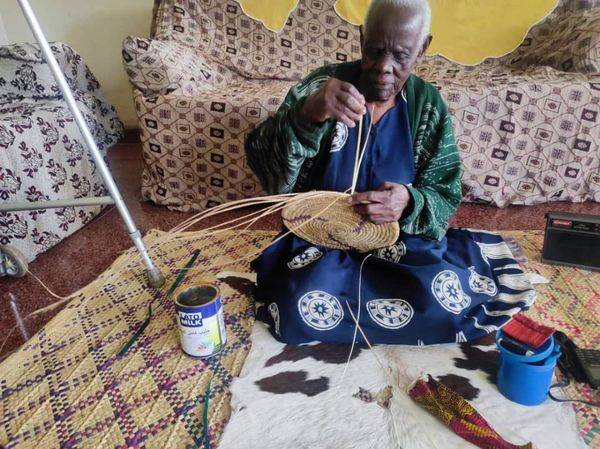
One poignant example presented was that of G.W. Akora of YAWE Uganda, who uses crafting not only as an economic tool but as a therapeutic medium for individuals living with HIV. However, without adequate support, artisans like Akora are often forced to sell their work through international “hawking” tours to sympathetic buyers, despite their products’ competitive potential in the global market.

Rwagweri argued that to realize this sector’s potential, a more inclusive, transnational approach is essential. He highlighted initiatives like UNHCR’s Made 51 and the 6C Framework by Creative Million as models that could offer structured, scalable solutions. He also stressed the need for sustainable funding that goes beyond token grants, advocating for impact-driven loans and equity for artisans to scale their businesses globally.

The call to action is clear: Impact investors and policymakers should recognize the artisanal sector as a viable and valuable avenue for sustainable development and social change. By supporting artisans with the necessary resources and removing barriers to fair economic participation, Rwagweri concluded, the world could unlock a sector with boundless potential to enrich communities and economies globally.
Presentation by Stephen RwagweriDownload
African Continental Crafts business skills design innovations digital skills and infrastructure Global Fund for Women social impact Traditional Artisan Inclusion model UNESCO UNESCO ICH Global Facilitator
Share:

Related Posts

Blog

Ugandan Innovator Stephen Rwagweri and African Continental Crafts Spotlight Artisanal Sector at Global SOCAP Conference

August 31, 2024
Blog

Uganda and Africa’s Artisanal Sector Spotlighted at SOCAP 2024: Unlocking Untapped Global Potential

November 19, 2024
Blog

Tooro Kingdom awards Mr. Stephen Rwagweri for promotion and safeguarding heritage

June 22, 2022

Leave a comment
Cancel reply

Make sure you enter the(*) required information where indicated. HTML code is not allowed

Recent Posts

  • African Continental Crafts Founder Stephen Rwagweri Meets UNESCO Director-General at Global Cultural Summit
  • African Continental Crafts, Transforming Uganda and Africa Through Artisanal Innovation
  • Uganda and Africa’s Artisanal Sector Spotlighted at SOCAP 2024: Unlocking Untapped Global Potential
  • Artisanal Sector Highlighted as Untapped Goldmine for Impact Investing at SOCAP 2024
  • Empowering Lives Through Crafting: G.W Akora and YAWE Uganda’s Mission for PLHIV

Recent Comments

  1. Nantume Margaret on Clothilda Babirekere: A Leading Voice for Gender Equality in Uganda
  2. Benuza Jane ateenyl on Stephen Rwagweri of African Continental Crafts to Speak at Masters of Scale Summit 2024
  3. Birungi Beatrice on Stephen Rwagweri of African Continental Crafts to Speak at Masters of Scale Summit 2024
  4. Peter Akugizibwe on Stephen Rwagweri of African Continental Crafts to Speak at Masters of Scale Summit 2024